


Glasses and contactsNew
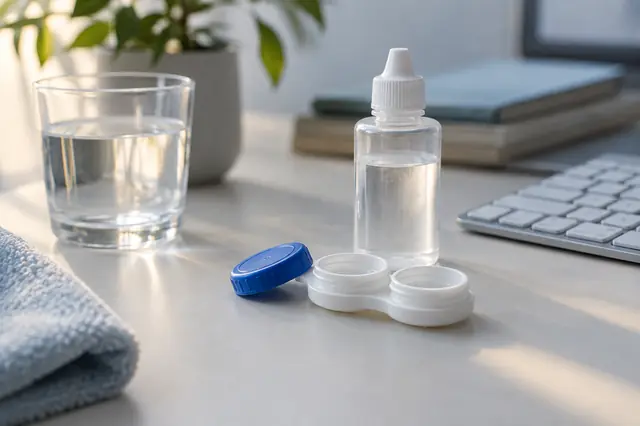
How to clean a contact lens case and when to replace it
Rub and rinse the case with fresh solution, never water, dry it and leave it upside down with the caps off. Replace it at least every three months.
5 min read
Free in your browser
More
Plus gamesPlusTurning E, Faint E, Track and spotFor gamersReaction, aim and tracking rounds with a Start Lights game on the pageFor sportsShort reaction and tracking rounds for a warm-up.For screen workScreen breaks, a focus timer and an eye journal.Screen breaksA break timer, a far view and calm one-minute gamesPrograms7, 30 and 90-day programs. The 7-day ones are free.All gamesEvery free game in one placeSee the gamesFree in your browser
Latest articles
Rub and rinse the case with fresh solution, never water, dry it and leave it upside down with the caps off. Replace it at least every three months.
Mostly, you get better at the games. A large 2016 review found little evidence the gains carry over to work, school or everyday memory.
It can be. Short breaks raise energy, and one study found a 5-minute casual game lifted mood. A game is still a screen, so add a look into the distance.
Computers, phones, gaming and TV: distance, brightness, breaks and the questions people ask most about screen time.
The American Academy of Ophthalmology says using screens, even up close or in the dark, won't damage your eyes, but long sessions can leave them tired and dry, partly because people blink less while looking at a screen. Breaks, an arm's-length screen distance and brightness that matches the room are the usual advice.
Preservative-free lubricating drops are generally fine as often as needed, says the AAO. Drops with preservatives and redness relievers are different.
In a 2021 trial of 167 young adults, Night Shift made no difference to sleep. Brightness and putting the phone down seem to matter more than screen colour.
Mostly distance. People hold phones closer than a book or a monitor, often with small text, and blink less. Settings and habits that make a phone easier.
Eye doctors see no sign VR headsets harm the eyes, but long sessions can leave them tired and dry. Why that happens and what makes VR more comfortable.
Glasses made for screen distance can help when everyday lenses make you tilt your head or lean in. What eye care groups say and what to ask at your exam.
Studies comparing e-ink and LCD screens disagree, and setup matters as much as the device. What the research found and what eye care groups suggest.
Hours of close screen focus can leave distance vision a little blurry for a while. What eye care groups say about it and when to book an exam.
People blink about half as often at a screen, and a lens on a less wet eye dries out faster. What eye care groups suggest for long screen days.
Four ways to get screen break reminders: LookAway for Mac, Stretchly for any computer, a free 20-20-20 timer in your browser and the Ocufuse focus timer.
LookAway is a paid Mac break app. If you're on Windows, a Chromebook or a work laptop, here are alternatives, including a free 20-20-20 timer in your browser.
Stretchly is a free, open source break reminder. When a browser timer or the Ocufuse web app may suit you better, and how they compare.
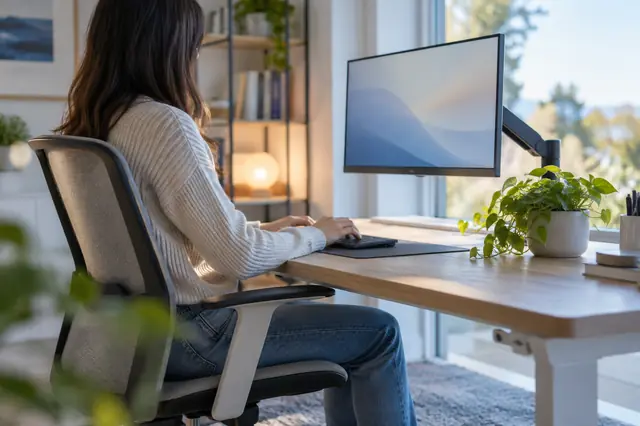
About an arm's length, with the top of the screen at or just below eye level. The distances and angles OSHA, Mayo Clinic and eye care bodies suggest.
Scrolling in bed with the lights off won't damage your eyes, but it can tire them. What eye doctors say, and habits for screens at night.
Long gaming sessions can leave eyes tired, dry and blurry. What an AOA survey found, and practical habits for distance, light and breaks.
Swapping a laptop for a phone isn't much of a break. Simple things to do in 20 seconds, 5 minutes or 15 minutes away from the screen.
What eye care and pediatric bodies say about screens and children's eyes, and practical habits for breaks, distance, light and sleep.
Neither mode suits everyone. What eye care and workplace bodies say about light and dark screens, and how to choose for the room you're in.
Sitting close to the TV doesn't damage the eyes, eye doctors say, but it can strain them. Why kids do it and when it's a sign to book an eye test.
Most adults blink about 15 times a minute, far less at a screen. What blinking does, what research found about screens, and simple habits.
Reflections and a screen brighter than the room tire the eyes. Simple layout and brightness changes that workplace and eye care bodies suggest.
Short and often beats long and rare. What workplace and eye care guidance says about screen breaks, with an example hour.
The 20-20-20 rule is one of the most repeated pieces of screen advice. A small study tested it with break reminders. Here is what changed, what didn't, and what it means for your day.
Blue light glasses are sold for eye strain, sleep and eye protection. A 2023 Cochrane review looked at the trials. Here is what the evidence does and doesn't show.
Late-night scrolling, short sleep and tired eyes often go together. What studies say about screens before bed, and how to spot your own pattern.
Tired, dry or blurry eyes after a day at the screen are common. The habits with the best support, what blue light glasses do and don't do, and when to get your eyes checked.