



Is sitting close to the TV bad for your eyes?
Sitting close to the TV doesn't damage the eyes, eye doctors say, but it can strain them. Why kids do it and when it's a sign to book an eye test.
New articles by email
One email a week.
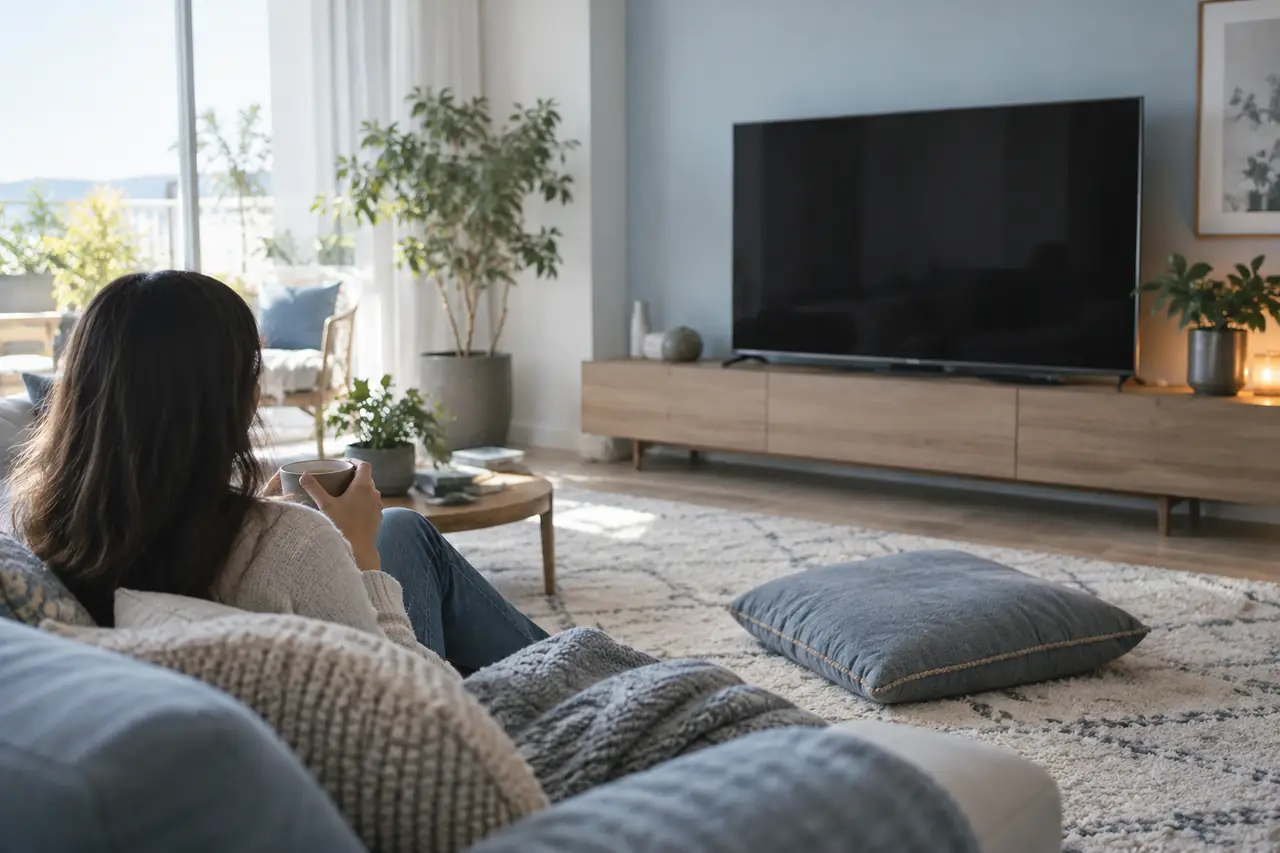
"Move back from the TV, you'll ruin your eyes." It's one of the most repeated pieces of household advice. The American Academy of Ophthalmology (AAO) is clear about it: sitting too close to a TV will not damage your eyes, but it may cause eye strain.
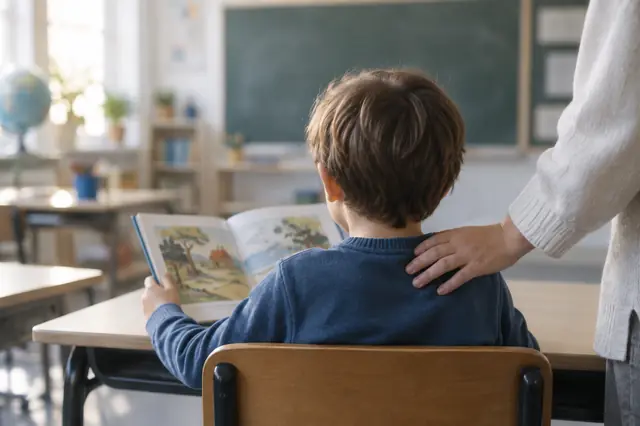
There's one exception worth knowing about, and it has nothing to do with damage. Sometimes a child sits close because that's the only way they can see the picture clearly.
Sitting close to the TV damages children's eyes.
There's no evidence it damages the eyes in children or adults. It may cause eye strain, and the habit usually fades as children grow.
For children, screen time and children's eyes and when a child should have an eye exam go further, and eye myths and facts covers other common beliefs about screens.
Why children sit so close
The AAO points out that children can focus at close distances without eye strain better than adults can. Sitting right in front of the screen simply doesn't bother most kids the way it would bother a parent. It's also more immersive, and the best spot on the rug is often right in front of the set.
The AAO says this habit usually diminishes as children get older.
When sitting close is a clue
Usually, sitting close is just a preference. But in its list of common eye myths, the AAO adds that frequently sitting close to the TV may be a sign of nearsightedness (short-sightedness). Among other signs a child may have trouble seeing, the AAO lists:
- Squinting, or holding books and devices very close to the face
- Turning or tilting the head to look at something in front of them
- Complaining that things look blurry
- Avoiding close-up activities such as reading or drawing
- Losing their place when reading, or a short attention span for long activities
None of these means something is wrong, but together they're a good reason to book an eye test. Our post on signs a child may have trouble seeing covers the full list.
A comfortable viewing setup
There's no official minimum TV distance from eye care bodies. What tends to help comfort is the same as for any screen:
- Soft room light. Mayo Clinic suggests that watching TV may be easier on the eyes in a softly lit room rather than a dark one.
- Breaks. Look away from the screen now and then, especially during long viewing.
- Less glare. Close curtains if sunlight falls on the screen.
- A sensible brightness. Many TVs ship with a very bright display mode. A dimmer setting often feels better in the evening.
Distances for other screens
For smaller screens, there are some rough guides. The American Optometric Association suggests sitting at least 20 inches (about 50 cm) from larger screens and at least 13 inches (about 33 cm) from phones and handheld devices. The American Academy of Pediatrics mentions a rule of thumb some experts use for children: phones about one foot away, laptops about two feet and TVs about ten feet, depending on screen size. Comfort and clear vision matter more than an exact number.
Adults sitting close
Adults who find themselves drifting closer to the TV, or struggling with subtitles, may be noticing a change in their distance vision. The same goes for holding a phone further away to read it, which is often one of the first signs of age-related near focus changes. See reading glasses after 40 and our page on blurry vision.
When to see someone
- A child always sits very close to see, squints, or covers one eye
- Subtitles or road signs have become harder to read
- Eye strain or headaches come with most viewing
- Sudden loss of vision or sudden blurring
- Sudden double vision
- Flashes of light or a shower of new floaters
- A red, painful eye
Read more by topic
Common questions
Can sitting close to the TV damage your eyes?
No. The American Academy of Ophthalmology says sitting too close won't damage your eyes, but it may cause eye strain. It found no evidence of damage in children or adults.
Why do children sit so close to the TV?
Children can focus up close more easily than adults, so it doesn't bother them. The American Academy of Ophthalmology says the habit usually fades as they grow.
When is sitting close a sign of a vision problem?
The American Academy of Ophthalmology notes that frequently sitting close may be a sign of nearsightedness. If it comes with squinting, head tilting, holding books close or complaints of blur, book an eye test.
How should I light the room for watching TV?
Mayo Clinic suggests a softly lit room may be easier on the eyes than a dark one. Close curtains if sunlight falls on the screen.
Sources
- American Academy of Ophthalmology: Can sitting too close to the TV damage your eyes?
- American Academy of Ophthalmology: Common eye and vision myths
- American Academy of Ophthalmology: Four hidden signs of vision problems in kids
- Mayo Clinic: Eyestrain, home remedies and lifestyle
- American Optometric Association: Gaming and digital eye strain
- American Academy of Pediatrics (HealthyChildren.org): Give your child's eyes a screen-time break
End of article