


Glasses and contactsNew
How to clean a contact lens case and when to replace it
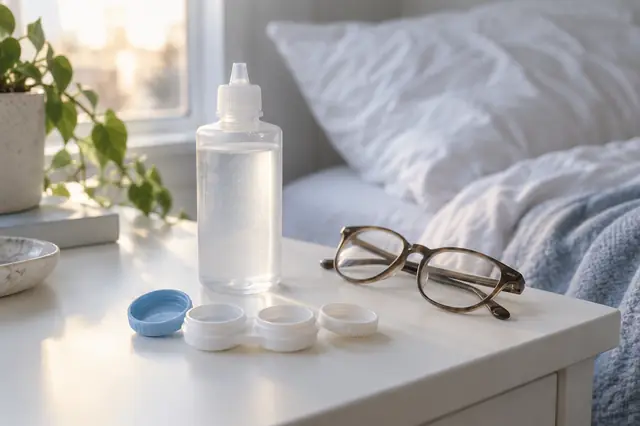
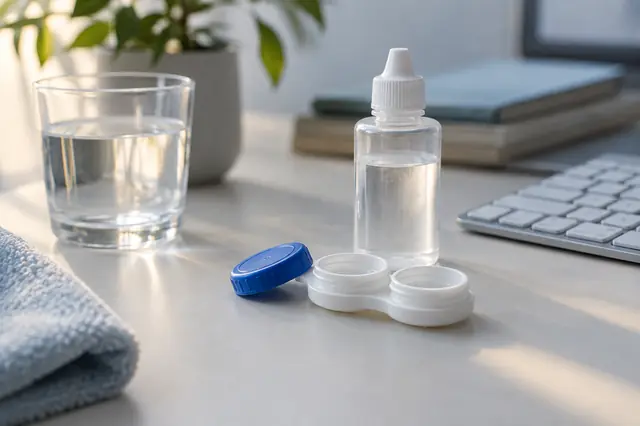
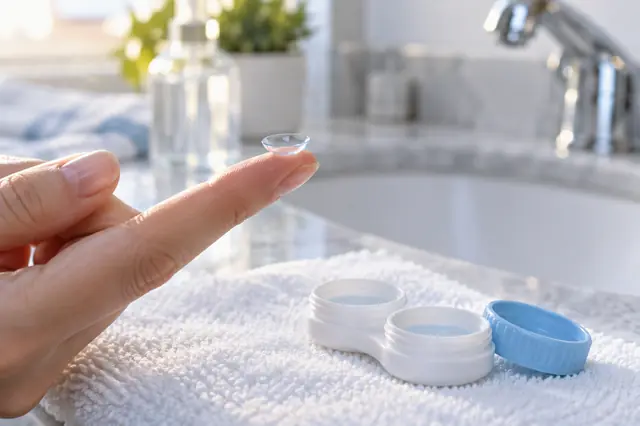
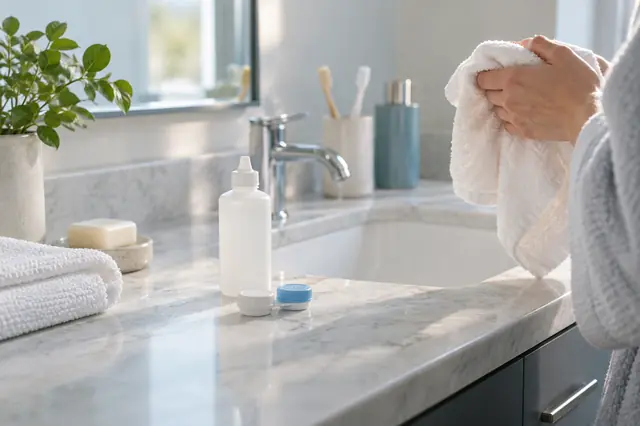
Rub and rinse the case with fresh solution, never water, dry it and leave it upside down with the caps off. Replace it at least every three months.
5 min read
Free in your browser
More
Plus gamesPlusTurning E, Faint E, Track and spotFor gamersReaction, aim and tracking rounds with a Start Lights game on the pageFor sportsShort reaction and tracking rounds for a warm-up.For screen workScreen breaks, a focus timer and an eye journal.Screen breaksA break timer, a far view and calm one-minute gamesPrograms7, 30 and 90-day programs. The 7-day ones are free.All gamesEvery free game in one placeSee the gamesFree in your browser
Latest articles
Rub and rinse the case with fresh solution, never water, dry it and leave it upside down with the caps off. Replace it at least every three months.
Mostly, you get better at the games. A large 2016 review found little evidence the gains carry over to work, school or everyday memory.
It can be. Short breaks raise energy, and one study found a 5-minute casual game lifted mood. A game is still a screen, so add a look into the distance.
Reading a prescription, reading glasses after 40, contact lens habits and choosing sunglasses.
As often as your eye care professional and the lens instructions say. The American Optometric Association says planned replacement lenses are most often replaced every two weeks, monthly or every three months, and daily disposable lenses are thrown away after one day.
Rub and rinse the case with fresh solution, never water, dry it and leave it upside down with the caps off. Replace it at least every three months.
Eye care sources say to take the lenses out gently, give your eyes a break from lenses, and contact an eye doctor if you notice pain, redness or blurring.
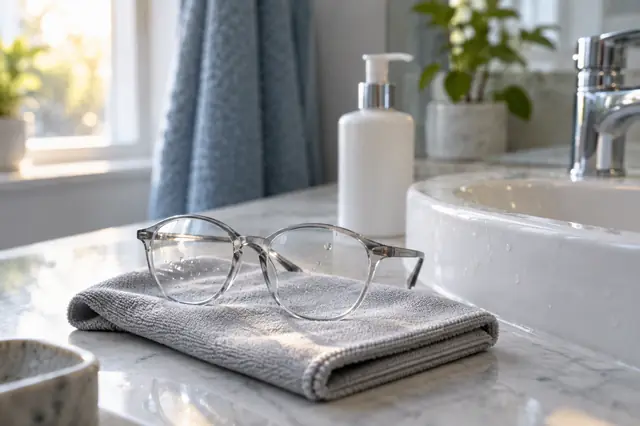
Rinse off grit first, wash with a drop of mild dish soap, dry with a clean microfiber cloth. Skip shirts, tissues and paper towels.
Usually the frame is loose at the temples, the bridge is too wide, or skin oil makes the pads slip. An optician can adjust most frames in minutes.
PD is the distance between the centres of your pupils, in millimetres. Ask your eye doctor or optician first; a ruler and mirror is the backup.
Often not. Taking glasses off doesn't harm your eyes or change your prescription, and wearing them full time doesn't weaken your eyes. What decides it.
Usually a few days, sometimes up to two weeks, longer with progressives or a big change. What's normal, what helps and when to take them back.
Glasses made for screen distance can help when everyday lenses make you tilt your head or lean in. What eye care groups say and what to ask at your exam.
People blink about half as often at a screen, and a lens on a less wet eye dries out faster. What eye care groups suggest for long screen days.
OD, OS, SPH, CYL, AXIS and ADD explained in plain words with a labelled example, and why a contact lens prescription is different.
The steps for putting in contact lenses, how to tell if a lens is inside out, and the hygiene habits that matter most.
Blue light glasses are sold for eye strain, sleep and eye protection. A 2023 Cochrane review looked at the trials. Here is what the evidence does and doesn't show.
Most contact lens wearers have at least one risky habit. The everyday steps eye care bodies recommend, from sleeping and water to cases and solution.
Holding your phone further away to read it is one of the most common changes in midlife. What presbyopia is, why it happens, and the options an eye care professional may discuss.
What UV400, 100% UV protection and lens categories 0 to 4 mean on sunglasses, and why a darker or pricier lens doesn't mean more UV protection.