




Night driving and glare: why it gets harder
Headlight glare and slower adjustment to the dark make night driving harder for many people. Why, simple checks, and when to see a doctor.
New articles by email
One email a week.
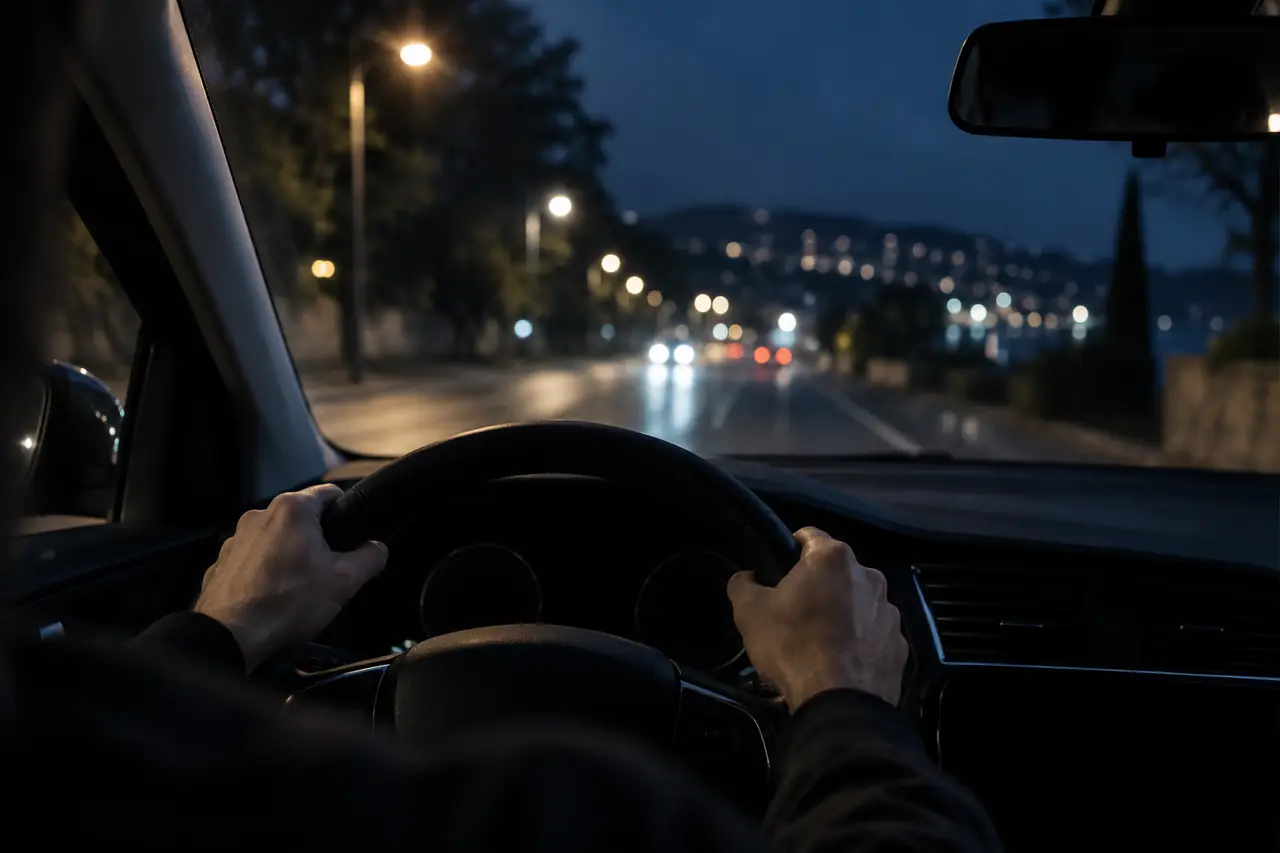
Many people find driving at night harder than it used to be: oncoming headlights feel dazzling, road signs appear later, and it takes a moment to see again after a car passes. The American Academy of Ophthalmology (AAO) notes that at night, lighting is poor and driving involves more complex visual tasks.
Choosing sunglasses covers daytime glare, and why pupils change size explains how the eye adjusts to the dark.
Why night driving gets harder
- Slower adjustment to the dark. The AAO says that with age, eyes take longer to adjust in the dark, which makes night driving harder.
- Less contrast. It becomes harder to pick out objects against similar-coloured backgrounds, such as a dark car on a dark road.
- Glare. The AAO notes some people become more sensitive to glare with certain eye conditions.
- Cataracts. The AAO says cataracts can cause blurry vision, glare and halos around lights, and make it harder to see at night.
- Dry eye. The AAO notes dry eye can reduce the quality of vision at night.
Uncorrected vision matters too. The National Eye Institute lists difficulty seeing at night among the symptoms of astigmatism. See what is astigmatism.
Before a night drive
- Windscreen and windows clean, inside and out
- Wipers in good condition
- Headlights and taillights clean, with no broken bulbs
- Mirrors adjusted
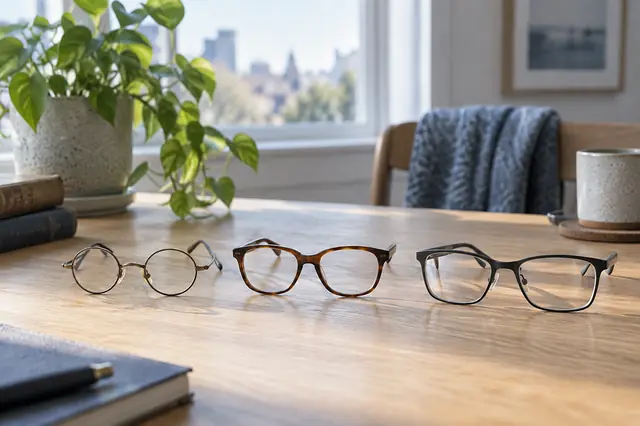
- Glasses or contacts clean, with an up-to-date prescription
The AAO specifically mentions cleaning the inside of the windscreen as well as the outside.
What about yellow night driving glasses?
Tinted "night driving" glasses are widely sold. In an AAO article, an ophthalmologist explains that these lenses reduce the light reaching the eye, and anything that does that at night makes it harder to see, not easier. The AAO says there's no research yet showing for certain that they work, and advises caution with devices that claim to help night vision. Harvard Health gives the same answer: tinted glasses aren't safe for night driving because they cut the light you need.
Habits on the road
- Take breaks on long drives. Mayo Clinic lists driving long distances among the causes of eye strain.
- Aim car vents away from your face. See dry eyes in winter.
- If night driving has become stressful, plan routes on well-lit roads or drive in daylight when you can while you get your eyes checked.
Regular checks for drivers
Many changes that affect night driving come on gradually, so they're easy to miss. The AAO recommends regular eye exams from age 40, and the American Optometric Association recommends a yearly exam from 65. The AAO also mentions that people aged 65 and over, or at high risk of eye disease, may qualify for a no-cost exam through its EyeCare America programme in the US. If someone close to you has started to avoid driving at night, it's worth suggesting a check.
When to see someone
The AAO says that if your night vision is changing, see an ophthalmologist. Declining night vision can be a sign of conditions such as cataracts, glaucoma or dry eye, and an exam can find out what's going on. The AAO also recommends a baseline eye exam at 40.
- Night driving feels harder than it used to
- Halos or starbursts around lights
- Glare from headlights takes a long time to clear
- Signs are hard to read until you're close
- Sudden loss of vision, or sudden blurring
- Severe eye pain with halos, headache or nausea
- Flashes of light, new floaters or a curtain over your vision
Notes help the appointment. Write down what you notice, which eye, and when it started. See how to describe vision changes and vision changes with age.
Read more by topic
Common questions
Why is it harder to see when driving at night?
The American Academy of Ophthalmology says lighting is poor at night, eyes take longer to adjust to the dark with age, and conditions like cataracts and dry eye can add glare and reduce night vision.
Do yellow night driving glasses work?
The American Academy of Ophthalmology advises caution: tinted lenses cut the light reaching your eyes, which can make it harder to see at night, and there's no research showing for certain that they work.
How can I reduce glare when driving at night?
Keep the windscreen clean inside and out, keep wipers and headlights in good condition, adjust mirrors, and wear clean glasses with an up-to-date prescription.
Can cataracts cause halos around lights?
The American Academy of Ophthalmology lists blurry vision, glare and halos around lights among cataract symptoms. Any new halos are worth an eye exam.
Sources
- American Academy of Ophthalmology: Vision and driving
- American Academy of Ophthalmology: Night driving glasses may hurt, not help
- American Academy of Ophthalmology: 21 ways aging changes your eyes
- Harvard Health: Red eyes, dry eyes and more, top questions for your eye doctor
- Mayo Clinic: Eyestrain, symptoms and causes
- National Eye Institute: Astigmatism
- American Optometric Association: Comprehensive eye exams
End of article