



Signs a child may have trouble seeing
Children rarely say they can't see well; they adapt. The everyday signs eye care bodies say parents and teachers can notice.
New articles by email
One email a week.
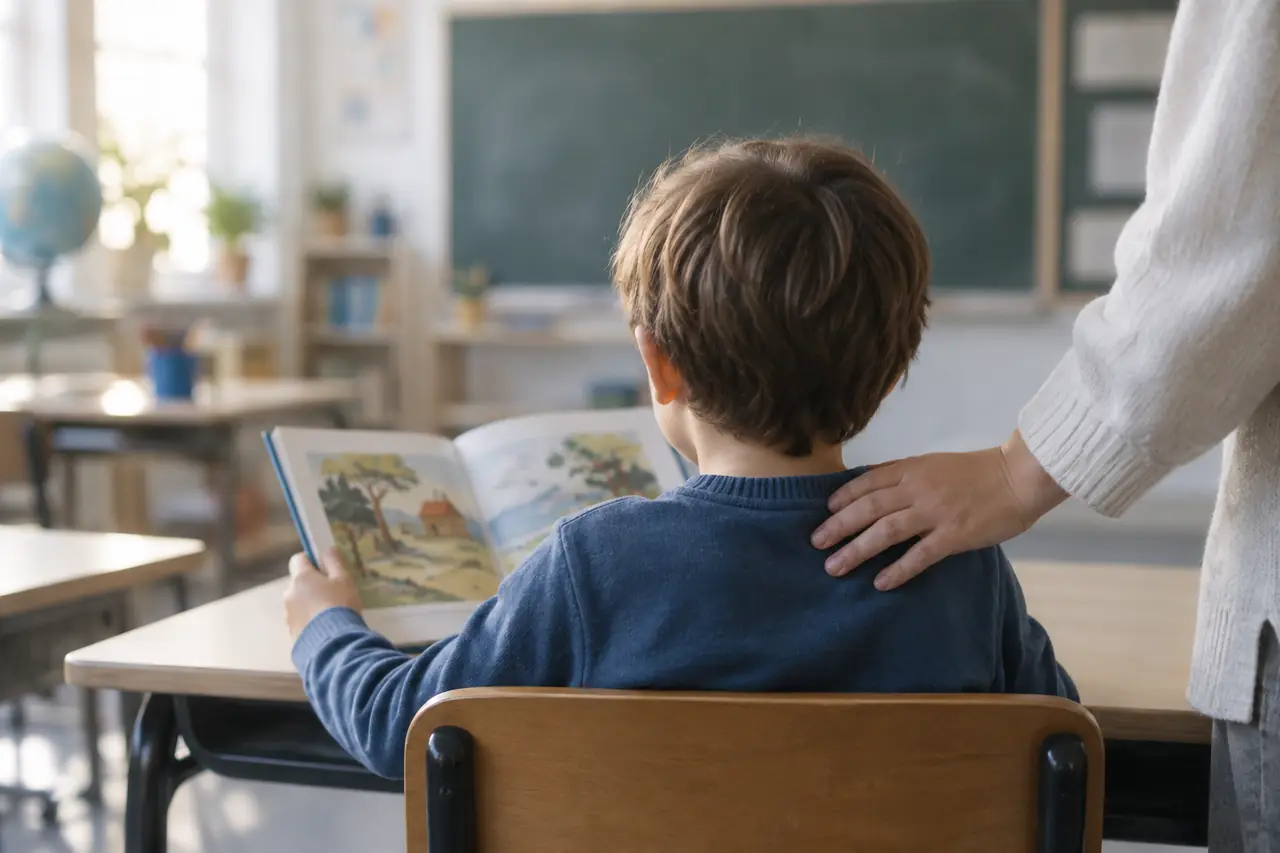
A child who has never seen clearly doesn't know what they're missing. The American Academy of Ophthalmology (AAO) notes that children can be subtle about it and not tell you about the trouble they're having. Instead, they adapt: they move closer, tilt their head, or avoid the things that are hard.
Here are the signs eye care bodies suggest watching for.
Myopia in children covers one common reason for blurry distance vision, and what astigmatism is covers another.
Signs to watch for
- Squinting
- Sitting close to the TV or holding books and tablets very close
- Tilting or turning the head to look at something straight ahead
- Covering or closing one eye
- Rubbing the eyes often
- Sensitivity to light
- An eye that turns in or out
- Losing their place when reading
- Quickly losing interest in games, projects or long activities
- Avoiding reading, drawing, colouring or puzzles
- Trouble with ball games or riding a bike
- Complaining that things look blurry, or seeming tired
The less obvious ones
The AAO highlights four signs that are easy to mistake for something else:
- A short attention span. A child may drop activities that need sustained focus.
- Losing their place when reading, reading aloud or silently.
- Avoiding close-up activities such as reading, drawing or games.
- Turning the head to the side to look at something in front of them, which the AAO says can point to a refractive error such as astigmatism.
It's easy to read these as behaviour or a lack of interest. Ruling out a vision problem is a simple first step.
Vision and learning
The AAO says vision problems don't cause learning disabilities, but they can be mistaken for them. It suggests that a child who struggles at school is checked by both a learning specialist and an eye care professional, and that some children may still need a learning assessment after their vision is corrected.
Sitting close to the TV
Sitting close doesn't damage the eyes, according to the AAO, and many children simply like it. But it also notes that frequently sitting close may be a sign of nearsightedness. If it comes with other signs on the list, book an exam. See is sitting close to the TV bad for your eyes.
Babies and toddlers
The signs look different in the very young. The AAO says that by about 3 months, a baby's eyes should focus on and follow objects. Crossed or wandering eyes in the first two months are usually normal, but talk to your paediatrician if it's still happening by about 3 months. In toddlers, watch for one eye turning while the other looks straight ahead. The AAO says this kind of misalignment affects about 4 percent of children in the US.
Colour blindness can also be easy to miss. The AAO notes that parents sometimes first notice it when a child is learning colours and mixes up similar shades of red and green or blue and yellow. See colour blindness explained.
What to do next
- Note what you seeWhich sign, how often, and in what situations.
- Ask the teacherTeachers often notice trouble with the board or reading.
- Book an eye examWith an optometrist or ophthalmologist, not only a screening.
The American Optometric Association (AOA) says screenings can miss many children with vision problems, so a full exam is the better next step. See when a child should have an eye exam.
If an eye seems to turn only sometimes, photos or a short video help, because it may not happen during the appointment. See photographing your child's eyes for the eye doctor. A journal like Ocufuse can keep dated notes and photos for the visit.
Read more by topic
Common questions
How can I tell if my child needs glasses?
Signs listed by eye care bodies include squinting, sitting close to screens, holding books close, tilting or turning the head, covering one eye, rubbing the eyes and losing their place when reading. Any of these is a reason for an eye exam.
Can poor vision look like an attention problem?
The American Academy of Ophthalmology lists a short attention span for long activities as a possible sign of a vision problem. It's worth ruling out vision first.
Do vision problems cause learning disabilities?
No. The American Academy of Ophthalmology says they don't, but they can be mistaken for them. It suggests checks by both a learning specialist and an eye care professional.
Will my child tell me if they can't see well?
Often not. The American Academy of Ophthalmology notes children can be subtle and may not tell you about the trouble they're having.
What should I do if I notice signs?
Note what you see and when, ask the teacher, and book a full eye exam with an optometrist or ophthalmologist.
Sources
End of article