





Wildfire smoke and your eyes: what to do on smoky days
Smoke can leave eyes stinging, red and watery. What health and eye care bodies say, simple steps for smoky days, and when to get help.
New articles by email
One email a week.
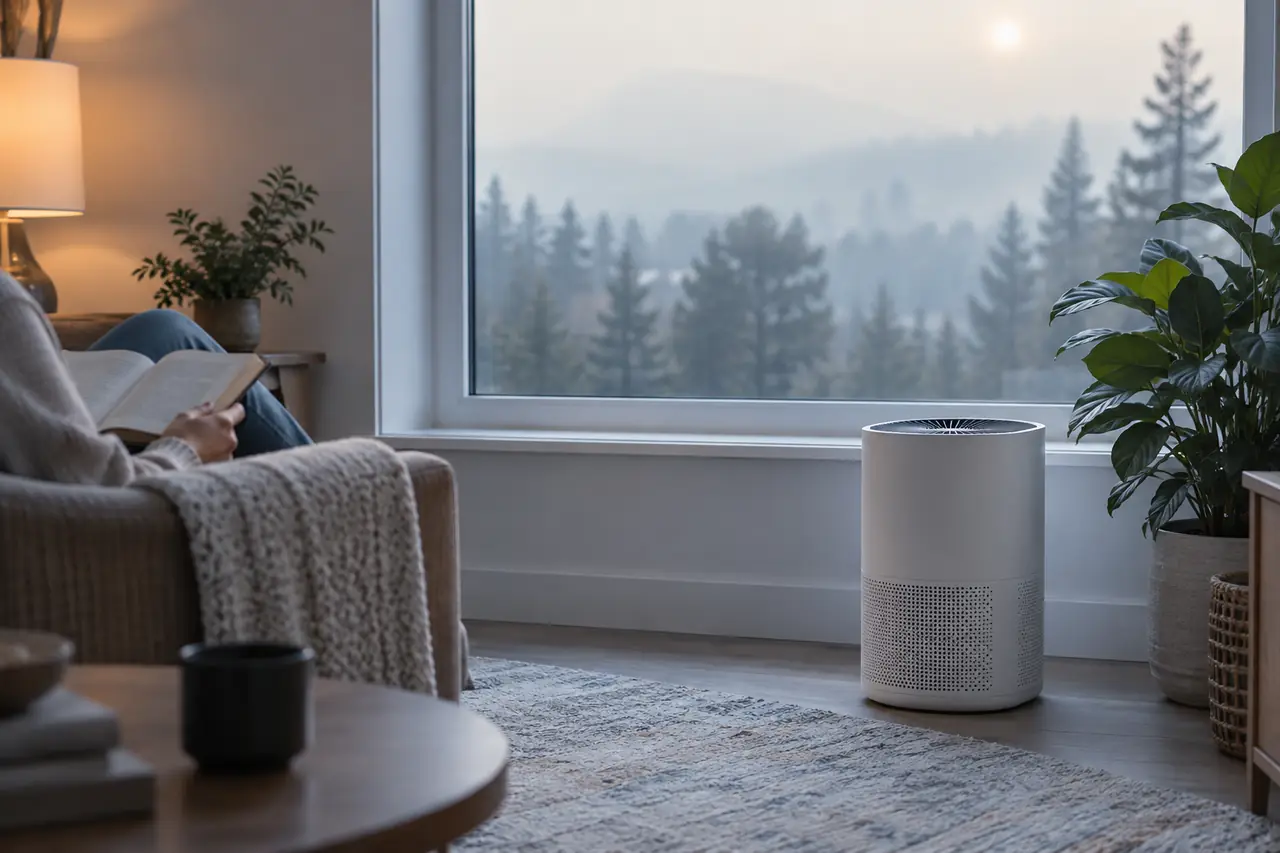
When wildfire smoke drifts over a town, eyes are often among the first things to notice. The CDC lists stinging eyes among the effects that smoke can have right away, and the US Environmental Protection Agency (EPA) says smoke and ash can irritate the eyes, nose, throat and lungs.
Smoke from other sources, such as bonfires or barbecues, can irritate the eyes too. The American Academy of Ophthalmology (AAO) lists smoke among common eye allergy triggers.
Why your eyes water and eye allergies cover similar irritation from other causes, and how to put in eye drops covers the steps if you use them.
What smoke does to the eyes
According to the American Optometric Association (AOA), smoke can gum up the surface of the eye and cause discomfort. It most often makes dry eye symptoms, eye allergies and contact lens discomfort worse. Eye care professionals report seeing more red-eye complaints during smoky periods.
People who already have dry or sensitive eyes may notice symptoms first.
On smoky days
- Check air qualityThe EPA points to the AirNow Fire and Smoke Map, state air quality sites and local news.
- Limit time outdoorsThe EPA calls this the most effective way to cut exposure.
- Recirculate airThe AOA suggests setting home and car air conditioning to recirculate.
- Clean indoor airThe EPA mentions running a portable air cleaner indoors.
Comfort for irritated eyes
- Lubricating drops. The AOA mentions artificial tears for smoke-irritated eyes. A pharmacist can help you choose.
- A cool compress. The AOA also mentions a cold compress for comfort.
- Hands off. Rubbing irritated eyes tends to make them worse. See rubbing your eyes.
- Rinse ash away. If ash gets in your eyes, rinse gently with clean water rather than rubbing. See feels like something is in your eye.
Contact lens wearers
The AOA says smoke can increase discomfort for lens wearers. It advises sticking to your replacement and cleaning schedule, washing and drying your hands before handling lenses, and never rinsing lenses in water. Switching to glasses for a few smoky days is an option if your eyes feel irritated.
Masks protect your lungs, not your eyes
The EPA describes how to choose a particulate respirator (marked NIOSH and N95 or P100) to reduce how much smoke you breathe in. It doesn't cover your eyes. For the eyes, the EPA's main advice still applies: spend less time outdoors and keep indoor air cleaner.
Who should take extra care
The CDC says wildfire smoke can make anyone sick, and lists people with chronic conditions such as asthma, COPD, diabetes and heart disease, pregnant people, children and responders as having higher risk. Eyes are one small part of a bigger picture on smoky days.
Keeping a note
If smoke seasons are a regular part of life where you live, a short note of eye symptoms alongside the day's air quality can show how much smoke affects you. A journal like Ocufuse can hold these notes. Our dry eye diary guide has a simple format.
When to see someone
- Irritation lasts after the air clears
- Redness or dryness keeps coming back
- Contact lenses have become uncomfortable
- Eye pain or changes to your vision
- Something stuck in the eye that won't rinse out
- Trouble breathing, chest pain or dizziness (call emergency services)
Read more by topic
Common questions
Can wildfire smoke hurt your eyes?
The CDC lists stinging eyes among the effects of smoke, and the EPA says smoke and ash can irritate the eyes, nose, throat and lungs. The American Optometric Association says smoke most often makes dry eye, allergies and contact lens discomfort worse.
How do I protect my eyes from smoke?
Check air quality, limit time outdoors, set home and car air conditioning to recirculate and run a portable air cleaner indoors, as the EPA and AOA suggest. Lubricating drops and a cool compress can help comfort.
Should I wear contact lenses on smoky days?
The American Optometric Association says smoke can increase lens discomfort. Keep to your cleaning schedule, wash and dry your hands, never rinse lenses in water, and consider glasses for a few days.
Does an N95 mask protect my eyes?
No. The EPA describes respirators marked NIOSH and N95 or P100 for reducing the smoke you breathe in. They don't cover your eyes, so spending less time outdoors remains the main step.
When should I get help?
For eye pain, vision changes, or something stuck in the eye that won't rinse out. Trouble breathing, chest pain or dizziness needs emergency help.
Sources
End of article